

Yoga Therapy

This work is rooted in certified training through Breathing Deeply Yoga Therapy, a foundation I carry into every session with you.


an overview of yoga therapy
Personalized healing rooted in ancient wisdom
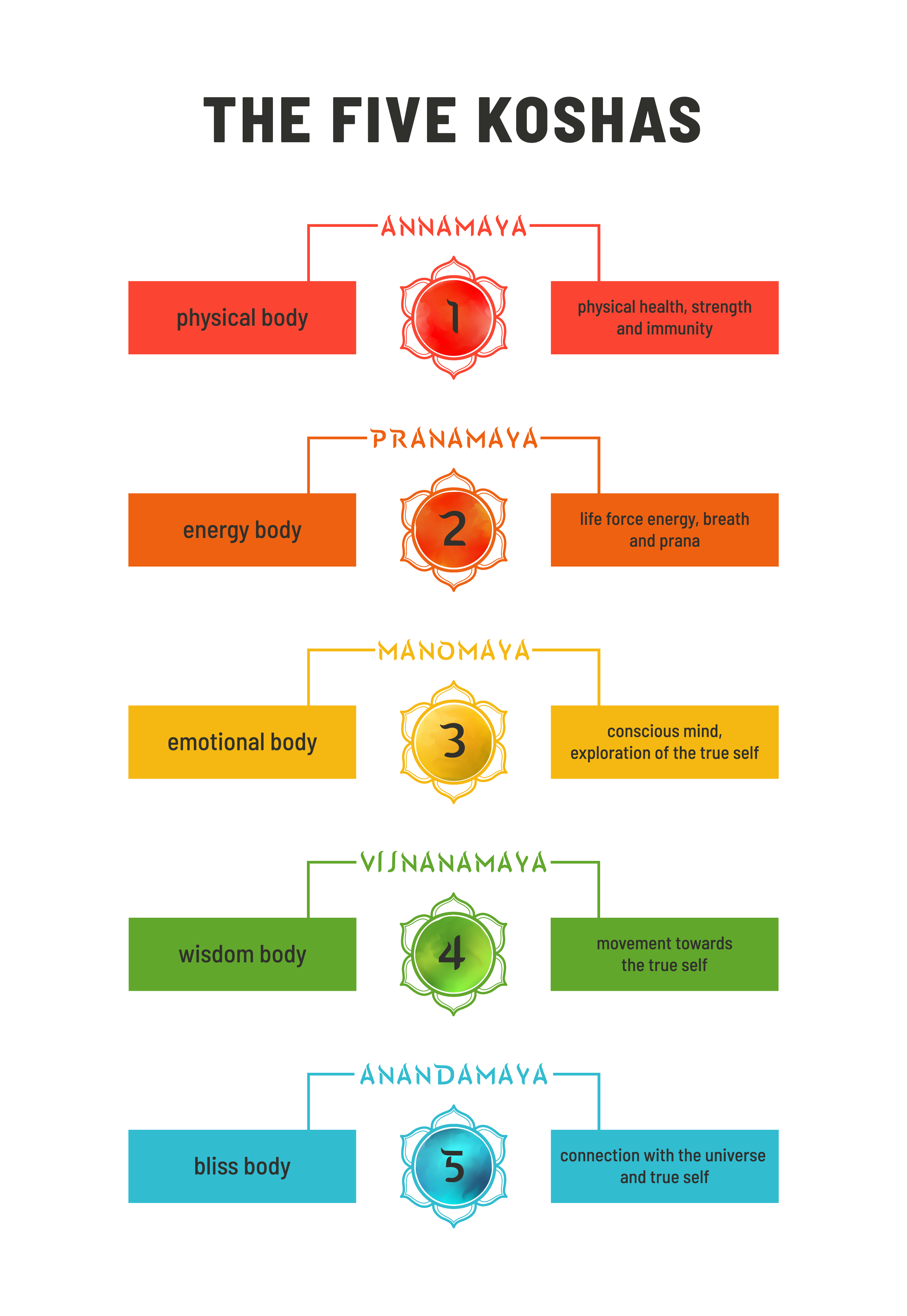
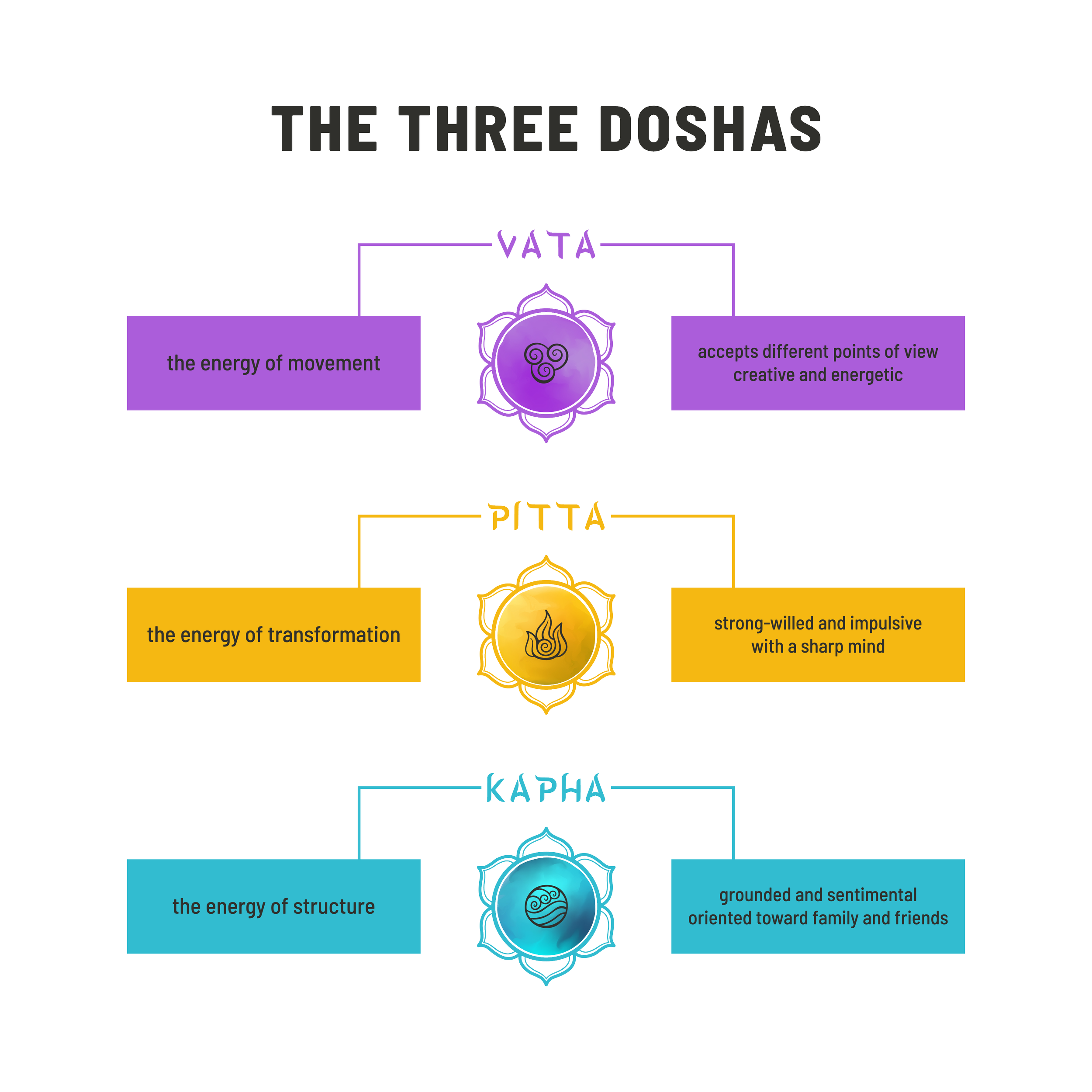
Yoga Therapy is the process of applying the principles and practices of yoga therapeutically. Underpinning yoga therapy are the comprehensive kosha and dosha models (see below) that support both the practitioner and client in understanding their imbalances in a comprehensive way. Yoga therapists use tools such as philosophical texts, movement, breathing techniques, meditations, chanting, visualizations, intuitive writing, poetry, and nature-rooted wisdom to cultivate balance and promote healing
Conditions that Yoga Therapy
can Support with:
Please note that this list is not exhaustive. If you are experiencing something not on this list, I encourage you to reach out and set up a time to chat.
Addiction
Anger (which feels overwhelming)
Anxiety
Arthritis
Autoimmune conditions
Chronic fatigue
Chronic pain
Constipation/irritable bowel syndrome/GI issues
Depression
Endometriosis
General low energy/ability to concentrate
General negative thoughts/state of mind
Grief
High/low blood pressure
Hip discomfort/pain
Indecisiveness/difficulty trusting oneself
Insomnia/other sleep issues
Imposter syndrome
Knee discomfort/pain
Lower back discomfort/pain
Neck discomfort/pain
Perimenopause/Menopause
Shoulder discomfort/pain
Trauma
Difference between Yoga Therapy and Physical Therapy or Psychotherapy?
Yoga therapy can be complementary to these western modalities. The biggest difference is that yoga therapists are trained to understand how an individual’s physical, mental, emotional, intellectual, and spiritual spheres are interconnected. Whereas a physical therapist might only focus on your spine or hamstrings if you have back pain, a yoga therapist may also explore how the way you breathe might be leading to your discomfort. Whereas a psychotherapist may be invaluable in supporting you with a particularly painful or traumatic experience, a yoga therapist may also explore how these experiences may be contributing to physical imbalances such as frequent headaches and digestive issues. Lastly, because western practitioners are often working within the healthcare system, they may not be available or have the energy to offer a significant amount of time or follow-up support in which case a yoga therapist can be a wonderful supplement resource.
Difference Between Yoga Therapy and a Yoga Class?
Unlike yoga classes which are offered in a group setting, yoga therapy is an individualized process. Yoga therapy is also different from a yoga class in that it is designed and adapted to the needs of the individual. Below is a chart from the Breathing Deeply School on when to see a yoga therapist versus a yoga teacher.
If you’d like to learn more about how yoga therapy can support your journey, please reach out to schedule a consultation.
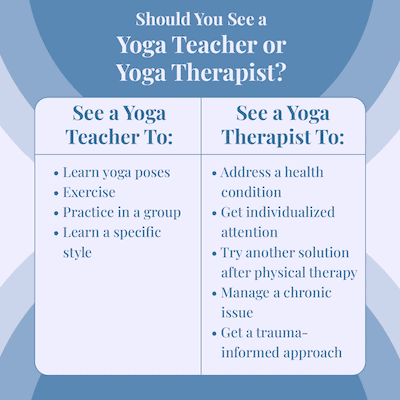
SOURCE: Breathing Deeply Yoga Therapy

What’s included in Personalized yoga therapy

Weekly, bi-monthly or monthly check-ins
$45-65 (sliding scale, installments available)
Access to community movement and mediation membership
Complimentary

Email/text follow-up with tips, resources and adjustments
Complimentary
How it works
-
![]()
Getting to know each other
We will schedule an initial complimentary 30-minute phone call to learn more about each other and discuss your goals.
FREE
-
![]()
Intake meeting
Based on our conversation, I will determine if/how I can support you. If I believe I can be of help, we will schedule a 60-90 minute intake meeting.
$45-$65 (sliding scale, installments available) -
![]()
Customized plan
After the intake meeting, I will put together a proposal and working agreement for you to review. I will share an accessible blend of movement, meditation, breath work, reflection, and/or nutrition practices for you to incorporate into your routine, along with suggestions for how frequently we should connect and check in.
-
![]()
Moving forward
You will review my proposal, and if in agreement, confirm that you'd like to work together.
-
![]()
Engagement begins
We will begin! Together, we will determine the exact duration of our engagement based on your goals. All meetings will be held virtually via Zoom.

